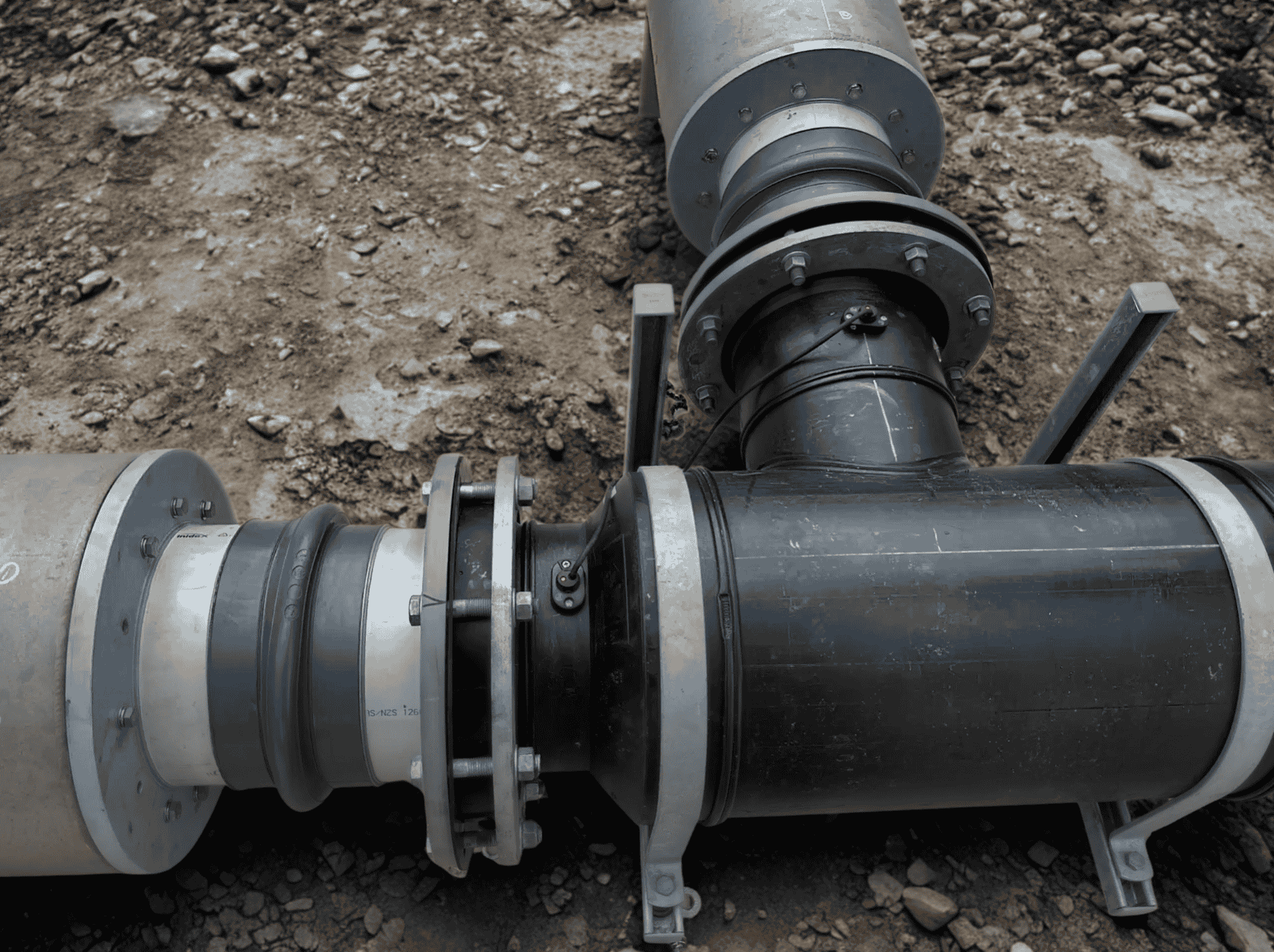
Poly welding is the process of joining polyethylene (PE) or high-density polyethylene (HDPE) pipe and fittings using heat and pressure. The result is a permanent, leak-free joint that is as strong as the pipe itself — no mechanical couplings, no gaskets, no weak points.
XR3 uses three primary welding methods depending on the application. Butt fusion welding heats the pipe ends against a plate and presses them together under controlled pressure used for straight pipeline runs and large diameter pipe. Electrofusion welding uses fittings with embedded heating elements to fuse pipe and fitting together — ideal for tie-ins, saddle joints, and branch connections. Extrusion welding deposits a bead of molten HDPE along a joint — used for tank fabrication, liner work, and containment applications.
Our specialists handle thermoplastic piping across multiple sectors, offering everything from strategic planning and equipment supply to on-site welding and fabrication. All electrofusion welds are data-logged for quality assurance and traceability. XR3’s equipment handles pipe diameters from 20mm to 630mm, and our crews are experienced in mining and industrial environments.
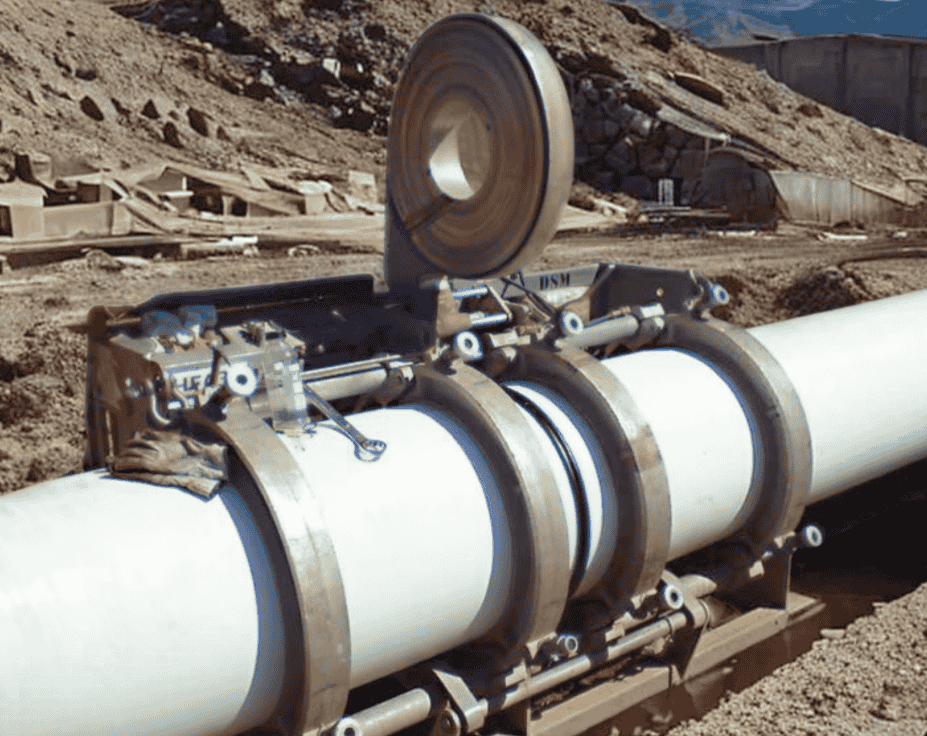

Strong, durable joints for straight pipeline runs, large diameter pipe, and high-pressure applications. Pipe ends are heated and fused together under controlled pressure, producing a permanent, full-strength joint. Equipment handles pipe from 20mm to 630mm.
Precise, leak-free connections for pressure-rated pipes using fittings with embedded heating elements. Ideal for tie-ins, saddle joints, branch connections, and repairs in tight spaces where butt fusion isn't practical. All welds data-logged for traceability.
Fabrication of custom HDPE components, sheet welding, tank repairs, and liner work. An extrusion welder deposits a bead of molten HDPE along the joint, creating a strong, continuous seal for containment bunds, tanks, and non-pressure applications.
New HDPE pipeline systems for dewatering, process water, slurry transport, and water management infrastructure. On-site fabrication and installation of pipeline runs with manifolds, bends, and connections.
Planned and emergency repair of damaged or degraded HDPE pipelines. Cut out damaged sections, weld in new pipe, and get the line back in service with minimal downtime. Rapid mobilisation for emergency call-outs.
Custom fittings, bends, and assemblies engineered and built to meet specific project requirements and site conditions. On-site spool fabrication — cut, prep, and weld to your specifications without workshop transport.
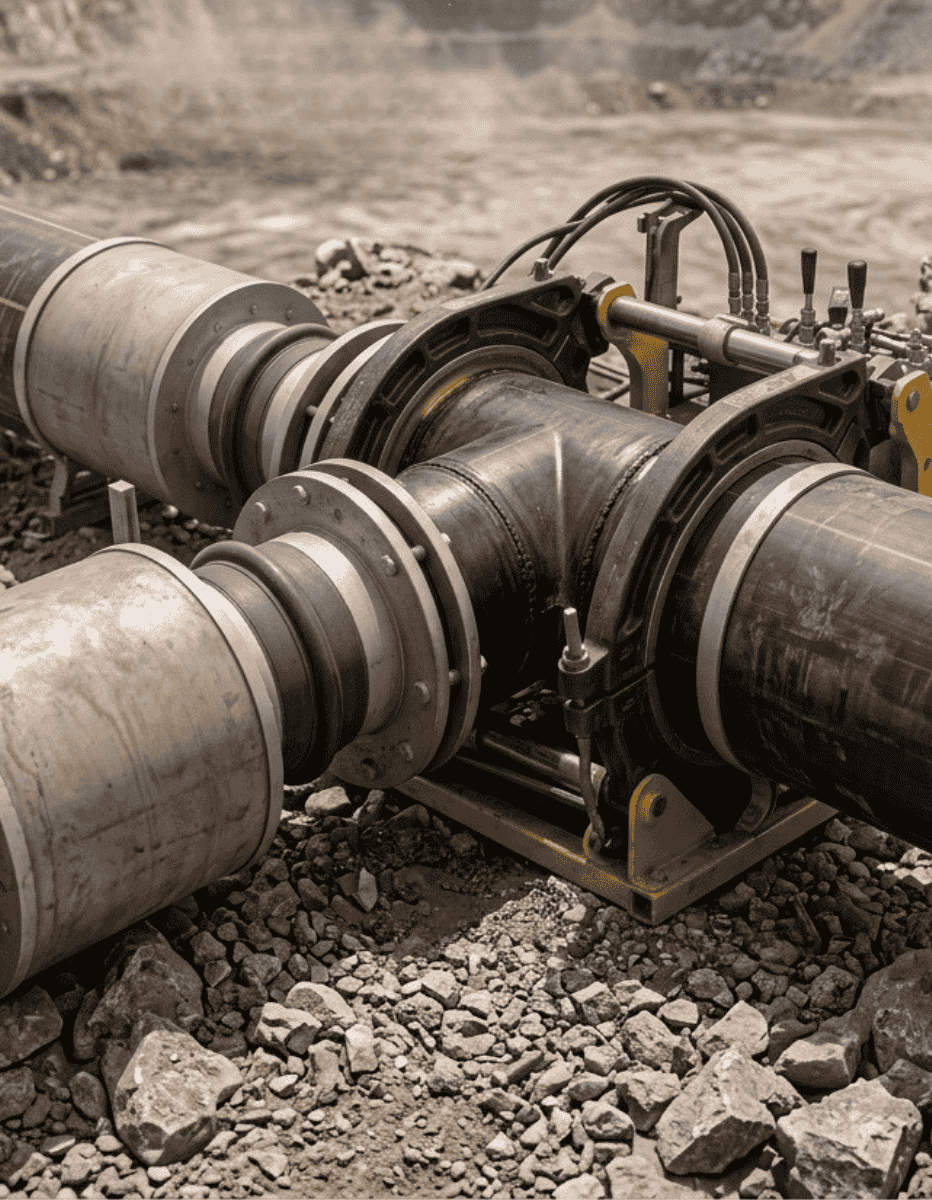
Our welders are experienced in mining and industrial environments, not just civil or residential work. We understand mine site safety requirements, inductions, and compliance. XR3 crews hold the relevant qualifications and site documentation required for work across Queensland mine sites.
We bring butt fusion, electrofusion, and extrusion welding equipment to your site. Pipe diameters from 20mm to 630mm. No need to transport pipe to a workshop — fabrication, welding, and repairs happen where the work is.
XR3 provides end-to-end services across dewatering, tailings management, and water infrastructure. Poly welding integrates with our other capabilities, or it can be engaged as a standalone service for a specific project.
All welding work is carried out to Australian standards. Electrofusion welds are data-logged for quality assurance and project documentation. XR3 provides full traceability on all welding work.
Not just welding, XR3 covers design and planning, material coordination, installation, project oversight, maintenance, and emergency repairs. We manage the full lifecycle of your thermoplastic piping systems.
Poly welding is the process of joining polyethylene (PE) or high-density polyethylene (HDPE) pipe and fittings using heat and pressure. The three main methods are butt fusion welding, electrofusion welding, and extrusion welding. Each creates a permanent, leak-free joint that is as strong as the pipe itself.
XR3’s poly welding equipment handles HDPE pipe from 20mm to 630mm, covering everything from minor installations and branch connections to complex, large-scale piping networks.
Yes. XR3 crews are experienced in mining environments and hold the relevant site inductions, safety qualifications, and compliance documentation required for work on mine sites across Australia.
Yes. XR3 can mobilise crews and equipment for emergency HDPE pipeline repairs. Contact us with the pipe size, location, and nature of the damage, and we’ll provide a mobilisation timeline.
What’s the difference between butt fusion and electrofusion?
Butt fusion heats the pipe ends directly and presses them together; it’s used for straight runs and large diameter pipe. Electrofusion uses special fittings with built-in heating elements; it’s used for tie-ins, saddle joints, branch connections, and repairs in tight spaces. Both produce permanent, full-strength joints. XR3 provides both methods on site.
XR3 can assist with material supply depending on the project. Contact us to discuss whether you need welding services only or a supply-and-install package.
All poly welding work is carried out in accordance with relevant Australian standards for HDPE pipe joining. Electrofusion welds are data-logged for quality assurance and traceability.
XR3 provides poly welding services across Australia, including mine sites, industrial facilities, and project sites. Contact us with your location and we’ll confirm availability.
Tell us about your project and what you need. We’ll confirm crew availability, equipment, and mobilisation timeline.
Contact Us